


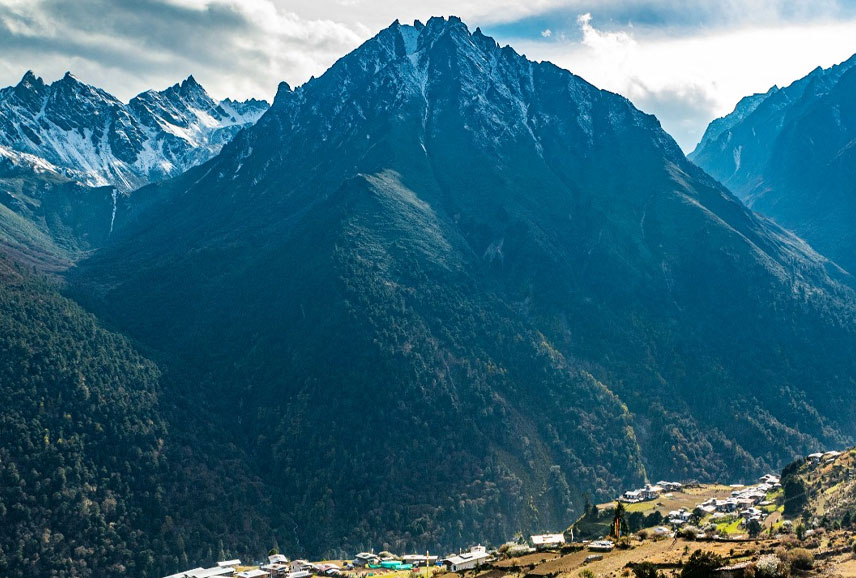
The Jomolhari Loop is the shortest of the Jomolhari trekking routes, which are the most popular treks in Bhutan. With altitude differences of 2500m and nearly 5000m it offers a wide range of landscapes, fauna and flora. The highlight of this trek is the spectacular view of Mount Jomolhari from Jomolhari Base camp (Jangothang). Trekkers who want to avoid high passes and high altitude can choose an easier version of the Jomolhari Loop by retracing their steps from Jangothang (see days 1-3), while still having the majestic impressions of Mount Jomolhari.
| Destination | Paro, Thimphu |
|---|---|
| Included |
|
| Excluded |
|
 Travel With Bus Travel With Bus |
|
The Jomolhari trek is relatively a moderate 7 to12 days trek depending on where you choose to end the trek. The trek will take you over Yelila Pass at 4,820m and Nyelila pass. Your trek will begin from Gunitsawa village in Paro. The trail will take you through spectacular landscapes, fauna, and flora before reaching the base of Mt. Jomolhari at 7,326m. From the base, you can either return to Paro or extend your trek to Thimphu passing through Lingzhi. Maximum Elevation: 4930 meters Difficulty: Medium Start: Gunitsawa village Paro Finish: Dodena Thimphu
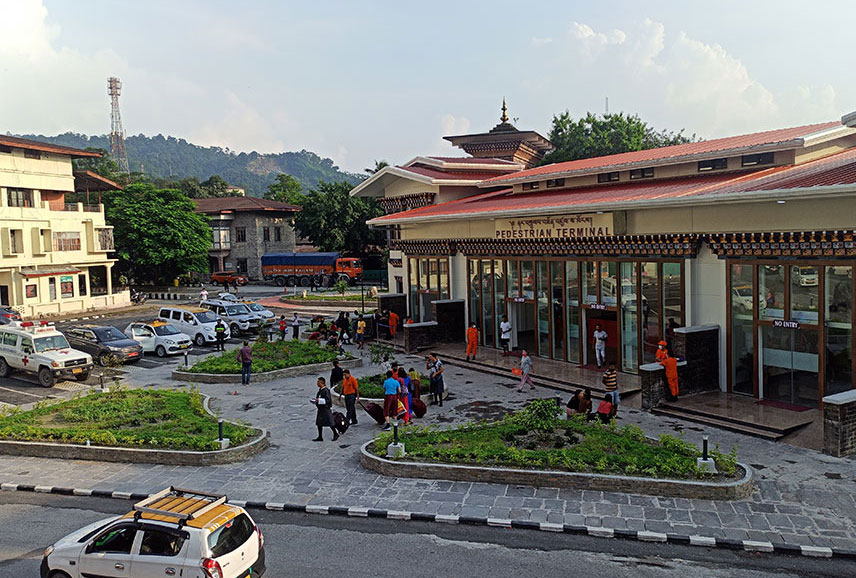
Upon arrival at Paro International airport, you will be met by your guide. In the afternoon, you will have an opportunity to explore the beautiful town of Paro.
Dinner and overnight at your hotel in Paro.
After breakfast, we will drive you to the trail head to commence a climb through beautiful pine forest. We will stop for light refreshments at the Taktsang cafeteria before walking on to the famous, Taktsang monastery or Tiger’s Nest. The primary Lhakhang or main temple was built around Guru Rimpoche’s meditation cave in 1684 by the Penlop of Paro, Gyalse Tenzin Rabgay. This incredible monastery clings to the edge of a sheer rock cliff that plunges 900 m into the valley below. Legend has it that Guru Padmasambhava, the tantric mystic who brought Buddhism to Bhutan in 747 AD, flew here on the back of a flying tiger, Dorji Drolo from Kurtoe Singye Dzong in the east.
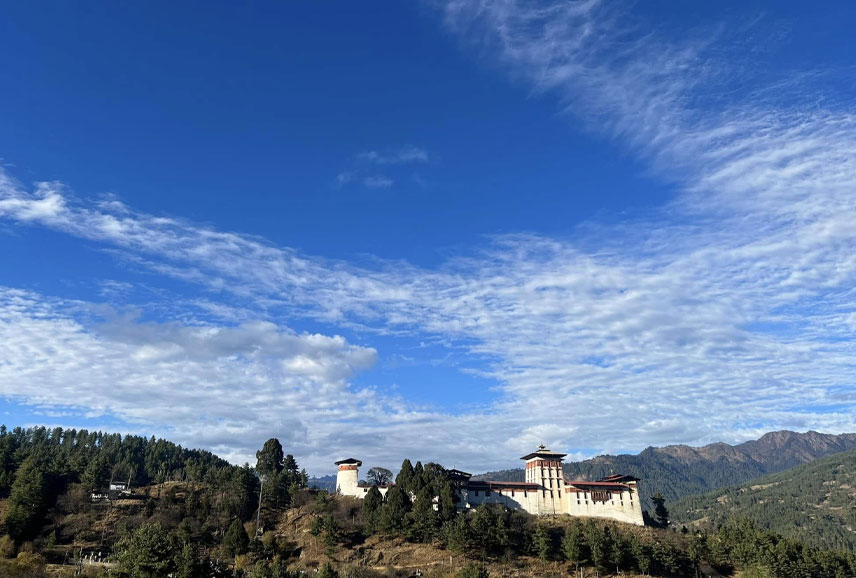
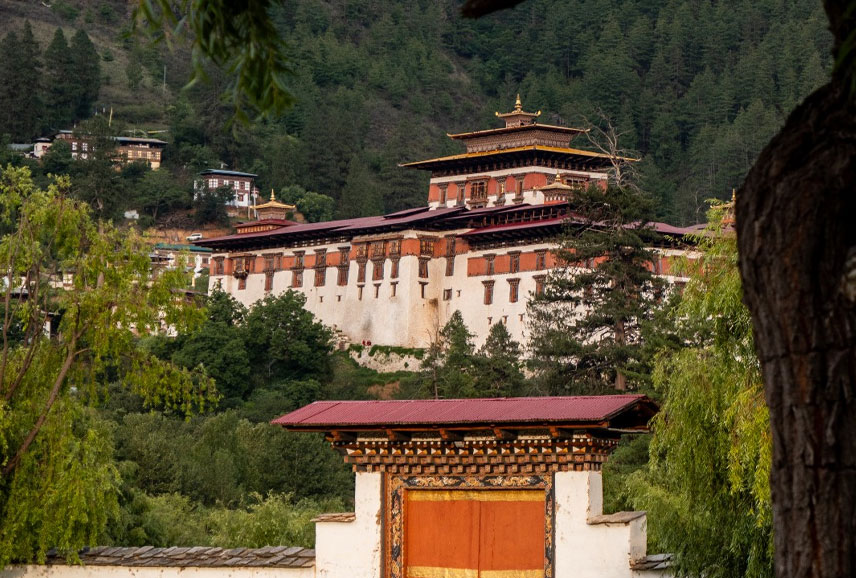
After lunch, we will visit Ta Dzong (built in 1656 and renovated in 1968), an ancient watchtower, which now houses the National Museum. Below the museum is the Rinpung Dzong (literally meaning “Heap of Jewels”), the centre of civil and religious authority in this valley, built in 1646 by Zhabdrung Ngawang Namgyal.
Dinner and overnight at your hotel in Paro.
The 10-day trek begins at Gunitsawa Village where you pass the army post. The campsite is on the opposite side of the river, not far from Gunitsawa.
Dinner and overnight camping at Sharna Zampa.
On this long day, the trail continues with lots of small ups and downs following the river through a heavily forested area with a few isolated farmhouses.
After going uphill through the river valley, the valley finally narrows gradually to a mere path which descends to a meadow where a camp will be set up. From here, if weather permits, you have the first great view of Mount Jomolhari.
Dinner and overnight camping at Thangthangkha.
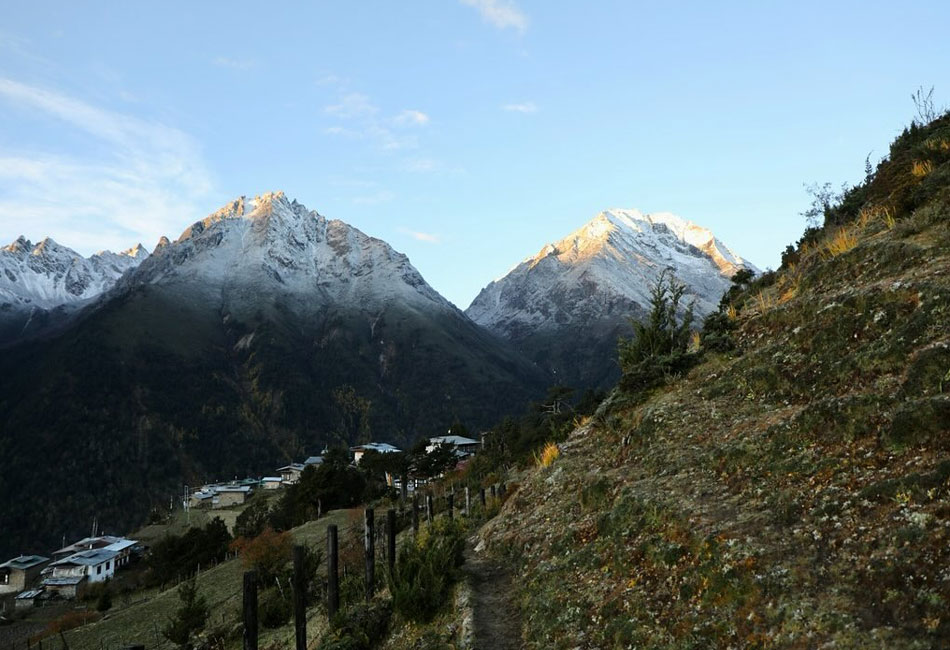
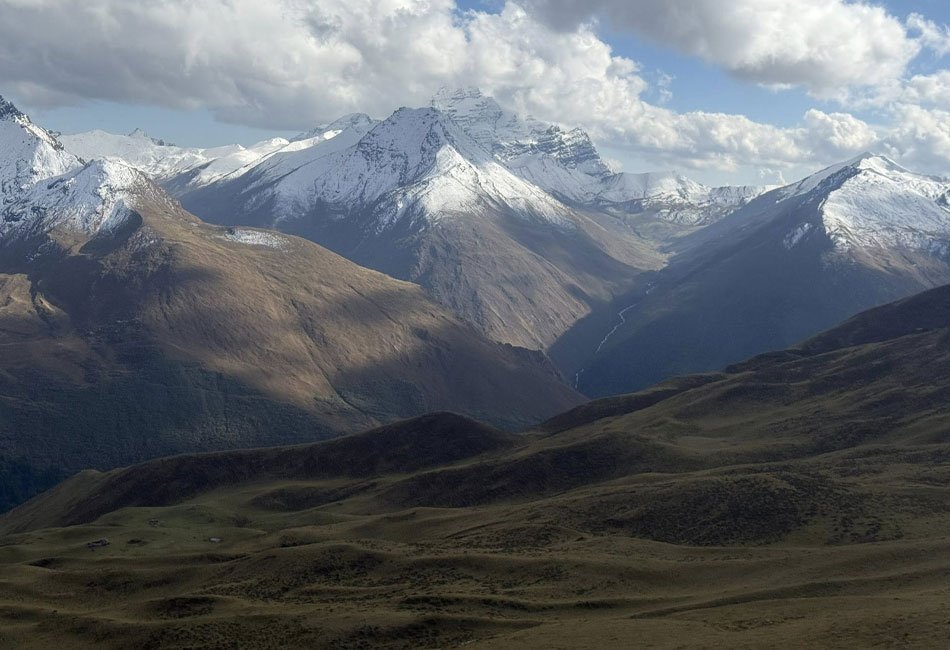
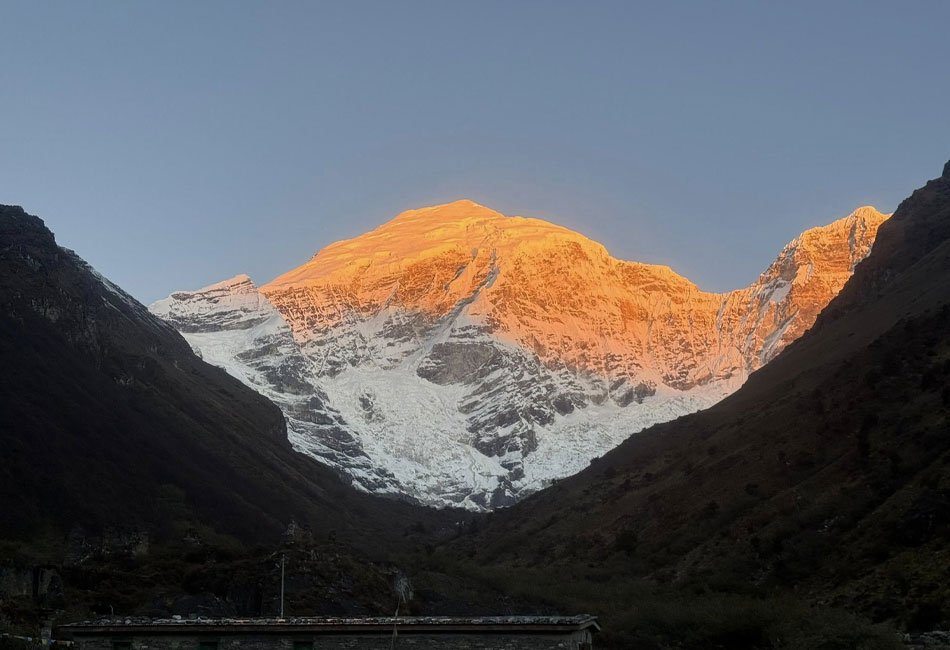
If you did not see Mt. Jomolhari the previous evening, you will still have a chance to get a great view early this morning. This morning the trek continues up the Paro Chhu valley that widens into patches of alpine meadow and scanty growths of forest. You will cross an army checkpoint along the way and enjoy a spectacular view of high mountain ridges and snow-capped peaks. In this area yaks and their herders’ homes become a regular feature of the landscapes. Passing the villages of Soe, Takethang and Dangochang is another asset on this day. After reaching Jangothang, one of the most beautiful campsites of the Himalayas, you will again have a spectacular view of Mount Jomolhari.
Dinner and overnight camping at Jangothang.
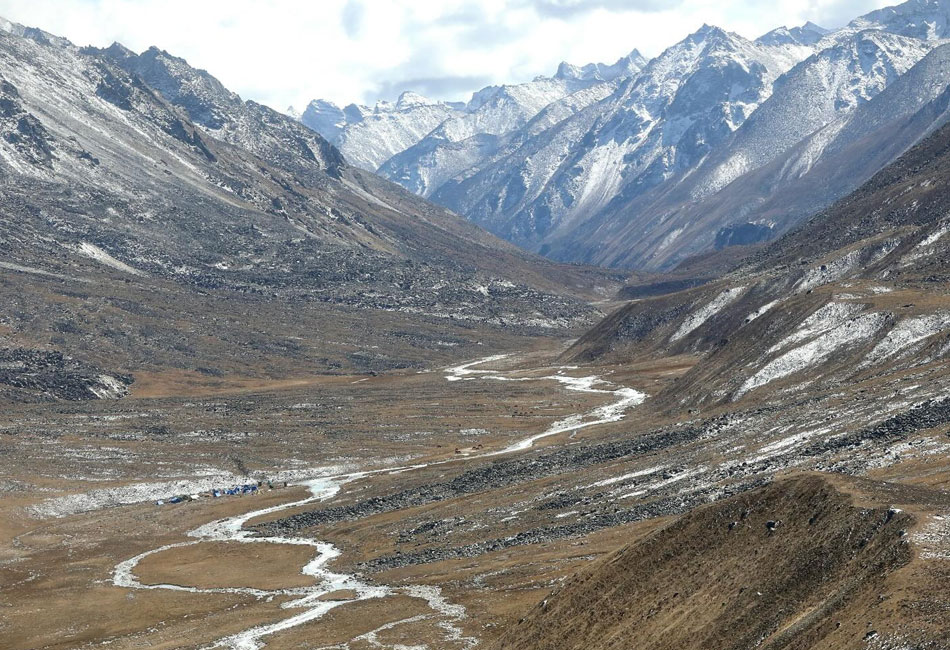
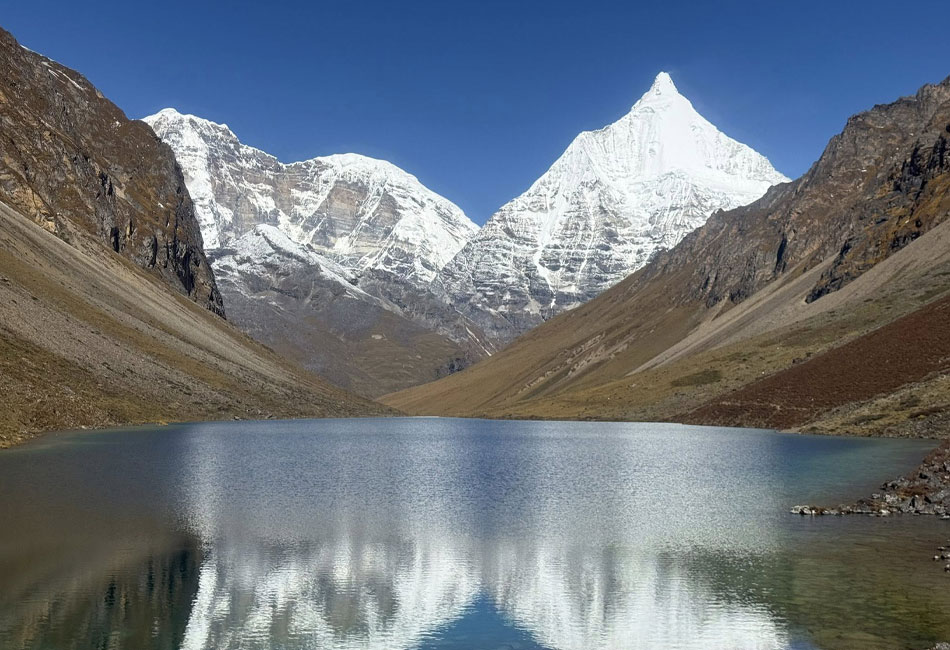
The rest day in Jangothang provides plenty of possibilities for day hikes with great views of lakes and snow capped mountains such as Jomolhari and Jichu Drake. There are good chances to spot some blue sheep on the upper slopes of the valley.
Jangothang is a perfect environment for your acclimatization. You can also trek up to Tosoh or hike around the area. There are good short hiking trails in three directions. Jomolhari and its subsidiary mountain chains lie directly west, Jichu Drake to the north and there are a number of unclimbed peaks to the east.
Dinner and overnight camping at Jangothang.
The trail leads to a last settlement in the valley and drops to the Paro Chhu. Passing the lake of Tshophu (4380m) you will climb up steeply to Bhonte La pass at 4890m, the highest point of this trekking route. Reaching the Dhumzo Chhu River, you trek downstream passing the few houses of Soi Yaktsa (Dhumzo) to arrive at your campsite soon after.
Dinner and overnight camping at Soi Yaktsa.
You will finally reach Gunitsawa Village where your transport will be waiting to drive you through to Thimphu, the capital of Bhutan (Approximately 2 hours).
Dinner and overnight at your hotel in Thimphu
After breakfast, we will drive you to Dodeyna to climb through a beautiful forest track to the Tango Monastery which overlooks a forested valley and other Buddhist retreats high in the mountains. Then we visit the National Memorial Choten built in honor of Bhutan’s late King Jigme Dorji Wangchuck before visiting the mini zoo at Motithang to see the Takin, Bhutan’s national animal.
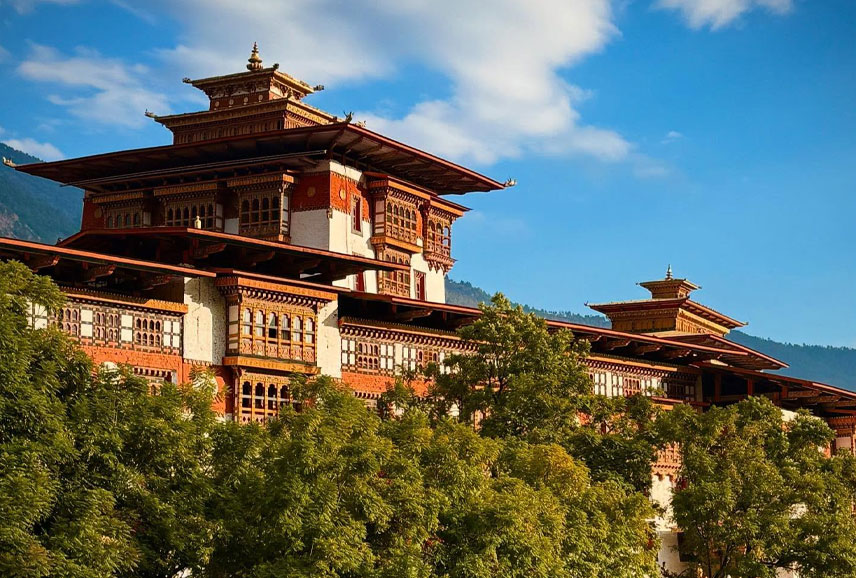
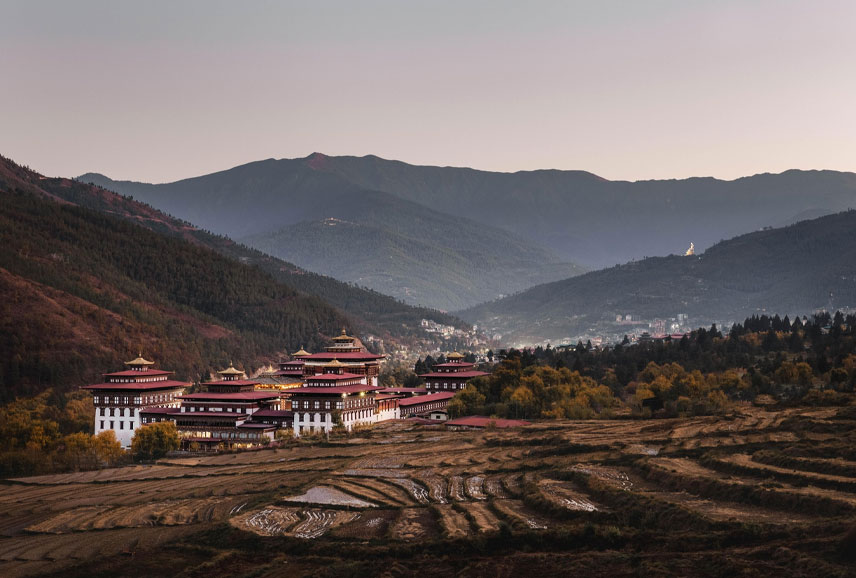
In the evening, visit Tashichho Dzong, seat of the national government and the Central Monastic Body which includes the summer residence of the Je Khenpo (Chief Abbot of Bhutan). If you wish we can then visit the Handicrafts Emporium followed by shopping for souvenirs and other items in the shops of Thimphu.
Farewell dinner with traditional dance and overnight at your hotel in Thimphu.
Morning drive to town for shopping. Then drive to the Dochula Pass at 3150m for a photo stop and for tea, coffee etc and to enjoy a most spectacular view of the Himalayan snow capped mountains and a great view of Gasa Dzong at a distance.
Lunch at the Dochula Pass.
In the afternoon drive to Paro and on the way visit Simtokha Dzong. This is one of the oldest fortresses in the Kingdom. It was built in 1629 AD by Zhabdrung Ngawang Namgyal. It houses the largest monastic school in the country.
Dinner and overnight at your hotel in Paro.
Write Your Review