Gateway to Bhutan: How to Reach the Land of the Thunder Dragon
Planning your journey to Bhutan? This Gateway to Bhutan guide will help you understand how to reach the Land of the Thunder Dragon—either by air or land—while respecting the country’s well-preserved culture and environment. Bhutan, a peaceful Himalayan kingdom, controls its borders carefully to support sustainable tourism and preserve its unique heritage. Whether you’re arriving by flight or crossing in from India, every route offers its own experience of Bhutan’s beauty and tranquility.
| Destination |
Paro, Thimphu, Punakha |
| Included |
- The Bhutan SDF
- All accommodations
- Meals and mineral water
- A licensed English-speaking guide
- A driver and vehicle
|
| Excluded |
- Air fare
- A visa fee of US$40
- Alcohol
- Gifts/Souvenirs
- Travel insurance and personal bills
- Museums & Monument Fees
|
 Travel With Bus/Car |
Details
Gateway to Bhutan: How to Reach the Land of the Thunder Dragon
Planning your journey to Bhutan? Our guide will help you understand how to reach the Land of the Thunder Dragon—either by air or land—while respecting the country’s well-preserved culture and environment. Bhutan, a peaceful Himalayan kingdom, controls its borders carefully to support sustainable tourism and preserve its unique heritage. Whether you’re arriving by flight or crossing in from India, every route offers its own experience of Bhutan’s beauty and tranquility.
Reaching Bhutan by Air
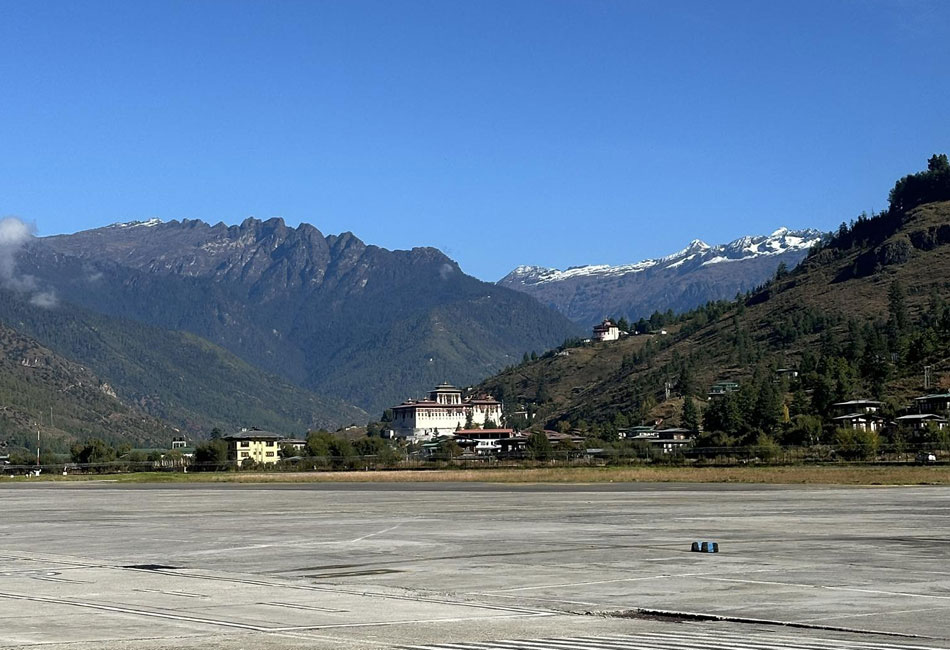
The most popular and convenient way to enter Bhutan is by air through Paro International Airport (PBH), the country’s only international airport. Located about an hour’s drive from the capital city, Thimphu, Paro is known for its dramatic location amidst Himalayan peaks. Flights to Paro are operated by Bhutan’s two national airlines—Druk Air and Bhutan Airlines. These carriers connect Bhutan to several international cities, including Bangkok, Delhi, Kolkata, Kathmandu, Singapore, Guwahati, Bagdogra, and Dhaka. Due to the challenging terrain and weather conditions, flights are highly scenic but also subject to delays. It’s best to book early, especially during peak seasons.
Entering Bhutan by Land
Bhutan also has three official land border crossings, all shared with India:
-
Phuentsholing (entry from West Bengal)
-
Gelephu (entry from Assam, central Bhutan access)
-
Samdrup Jongkhar (entry from Assam, eastern Bhutan access)
Land entry is ideal for those traveling overland from India or seeking to explore less-visited regions of Bhutan. All travelers must arrange their visa clearance and itinerary in advance through a licensed Bhutanese tour operator, such as Cloudline Travel & Treks which ensures smooth, comfortable, and well-organized travel experiences. Whether you travel by air or land, this gateway to Bhutan offers not just access, but an unforgettable start to your Himalayan adventure.
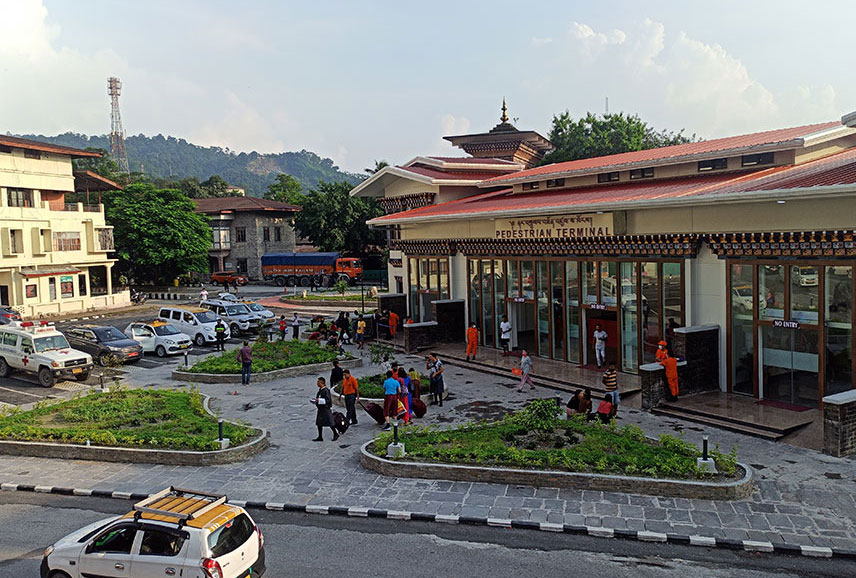
Upon arrival in Phuentsholing, the gateway to Bhutan from the Indian state of West Bengal, you will be welcomed by our representative from the Cloudline Travel. Phuentsholing is a fast-growing town and Bhutan’s commercial center. Stay overnight at your hotel in Phuentsholing.
After breakfast, start your journey to Thimphu. On the way, visit Kharbandi Gompa, a beautiful monastery built in 1967 by the Royal Grandmother, Ashi Phuntsho Choedon. The monastery’s gardens offer breathtaking views of Phuentsholing and the Indian plains, with tropical plants and flowers.
The drive takes you through steep mountain ranges, lush jungles, and small towns like Gedu and Chukha. Enjoy lunch along the way. The road follows the Wang Chu River to Chuzom, where the Wang Chu and Paro Chu Rivers meet, before continuing on to Thimphu. Stay overnight at your hotel in Thimphu.
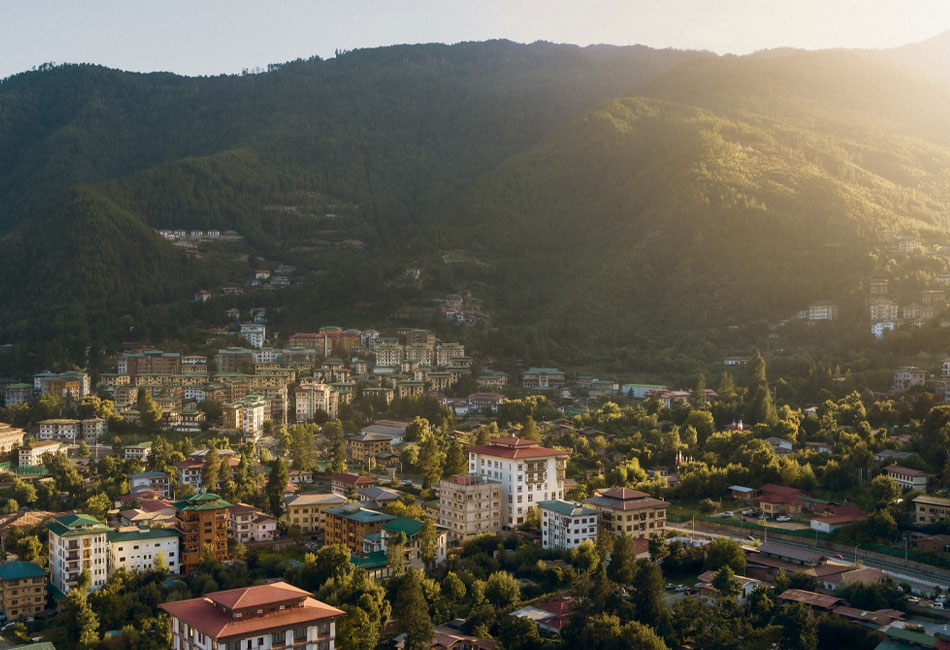
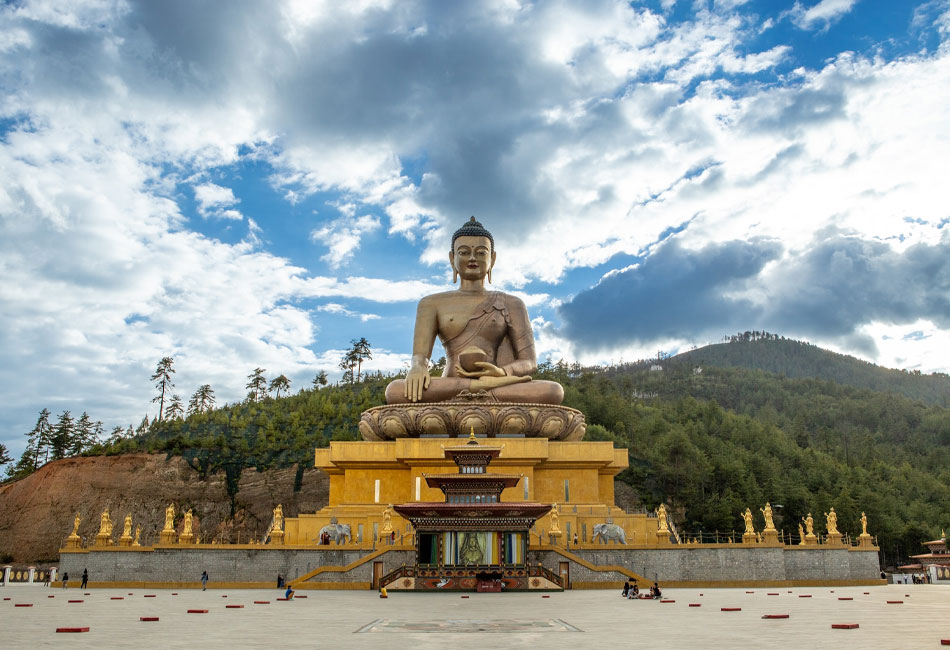
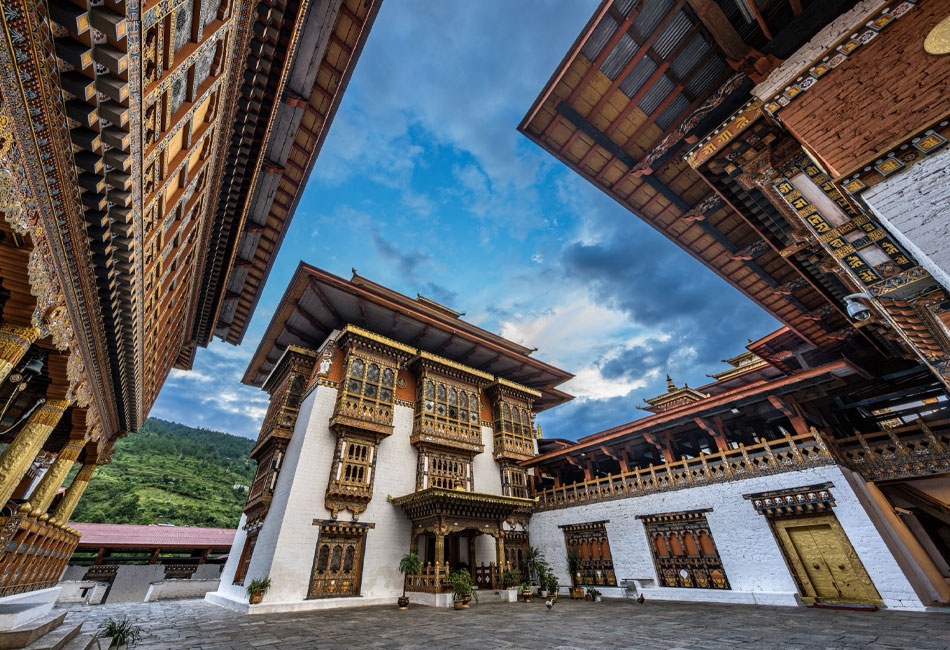
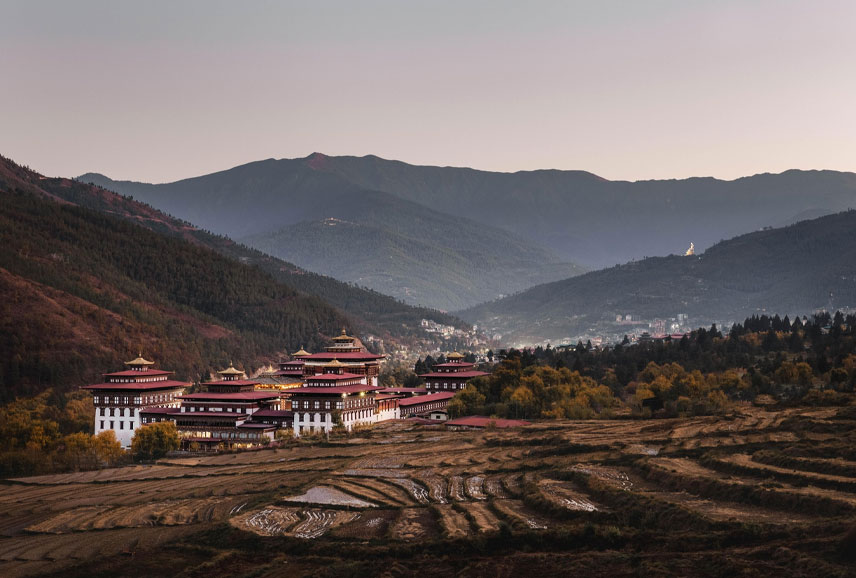
Thimphu, the capital of Bhutan, is a beautiful blend of traditional culture and modern life, set against the backdrop of stunning natural scenery. Here are some of the must-see sights and features that make Thimphu special: Tashichhodzong: This majestic fortress-monastery is the seat of Bhutan’s government and the residence of the king’s secretariat. Its impressive architecture and peaceful surroundings make it one of Thimphu’s most iconic landmarks. Buddha Dordenma: A giant golden statue of Buddha, standing at 169 feet, overlooks the valley from a hilltop. This serene and awe-inspiring site offers panoramic views of Thimphu and the surrounding mountains. National Memorial Chorten: Built in honor of the Third King of Bhutan, this stupa is an important religious site for the Bhutanese people. It is often surrounded by locals who circle the monument in prayer.
Changangkha Temple: A 12th-century temple perched on a hill, offering incredible views of Thimphu. It is one of the oldest and most revered temples in the region. The National Folk Heritage Museum: This museum offers a glimpse into Bhutan’s traditional rural life, with exhibits showcasing tools, clothing, and crafts used by Bhutanese people in the past." write me in very short with good sentence The School for Arts and Crafts (Zorig Chusum): Known as the ‘Bhutanese Art School,’ it offers an opportunity to see students practicing traditional Bhutanese arts, including painting, woodwork, and metal crafting. Thimphu Market: A vibrant and colorful marketplace, especially lively during the weekend, where you can find everything from fresh produce to handmade crafts and textiles. Simtokha Dzong: The oldest dzong in Bhutan, located just outside Thimphu.
It now houses a school for Buddhist studies and provides a fascinating insight into Bhutan’s spiritual history. Thimphu’s beauty is also found in its natural landscapes, with lush green valleys, towering pine forests, and the majestic mountains surrounding the city. The blend of rich culture, stunning architecture, and peaceful atmosphere make Thimphu a unique and captivating destination. Overnight in Thimphu.
Drive through the scenic Dochu-La Pass (3,100 meters), where you can enjoy breathtaking views of the Himalayan peaks on clear days. Continue your journey into the warmer Punakha Valley, which takes about 3 hours. Along the way, pass through beautiful rhododendron forests, especially stunning in spring.
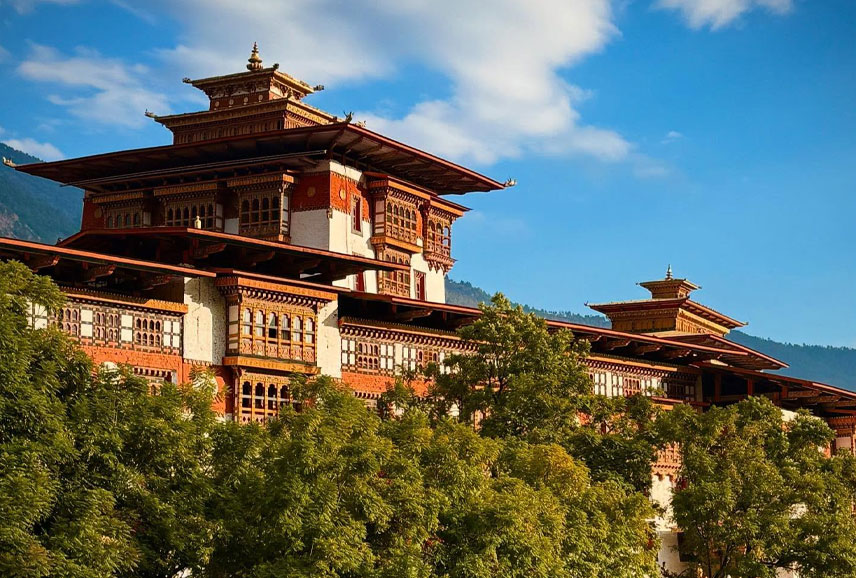
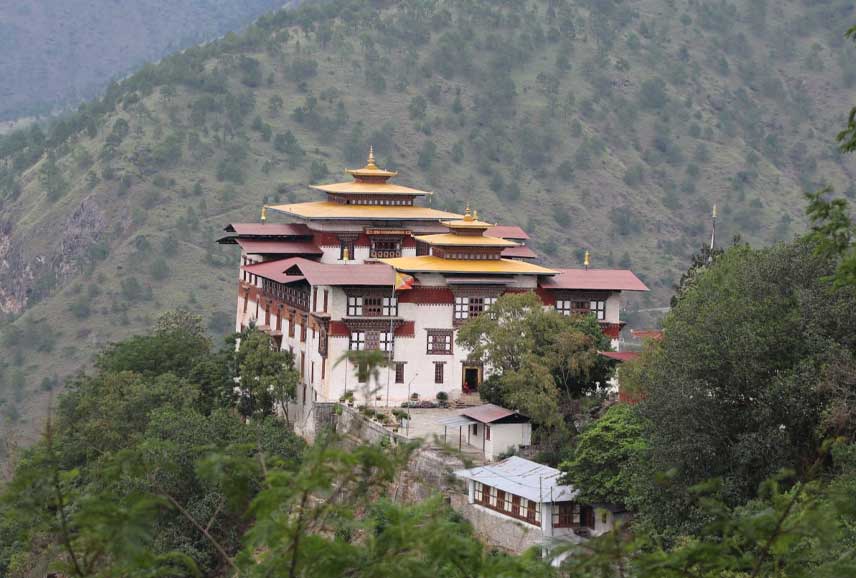
Visit Punakha Dzong, known as the "Palace of Great Happiness," built in 1637 at the meeting point of the Mo Chu and Pho Chu Rivers. It is the winter residence of the Je Khenpo and the monastic community.
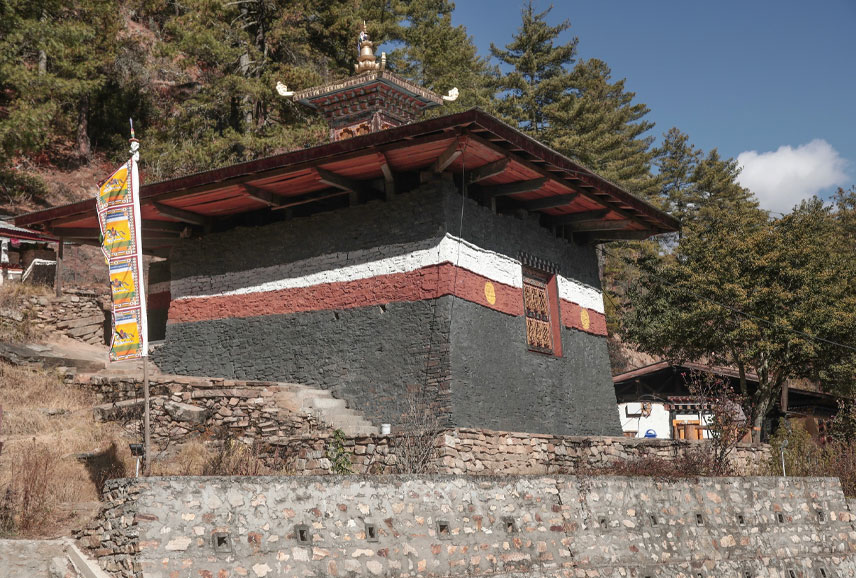
After lunch, take a short walk to Chimi Lhakhang, the temple of the “Divine Madman,” known for his unique teachings and blessings for fertility. Overnight in Punakha/Wangduephodrang.
In the morning, hike from Yabesa village through rice fields to Khamsum Yueley Namgyal Chorten, a beautiful hilltop stupa built by Queen Ashi Tshering Yangdon Wangchuk. Enjoy stunning views of the Punatsangchu River.
After a picnic lunch by the river, return to Thimphu to visit handicraft and souvenir shops. Then, head to Paro. On the way, stop at Semtokha Dzong, Bhutan's oldest dzong, which is now a school for language and cultural studies. Check into your hotel in Paro for the night.
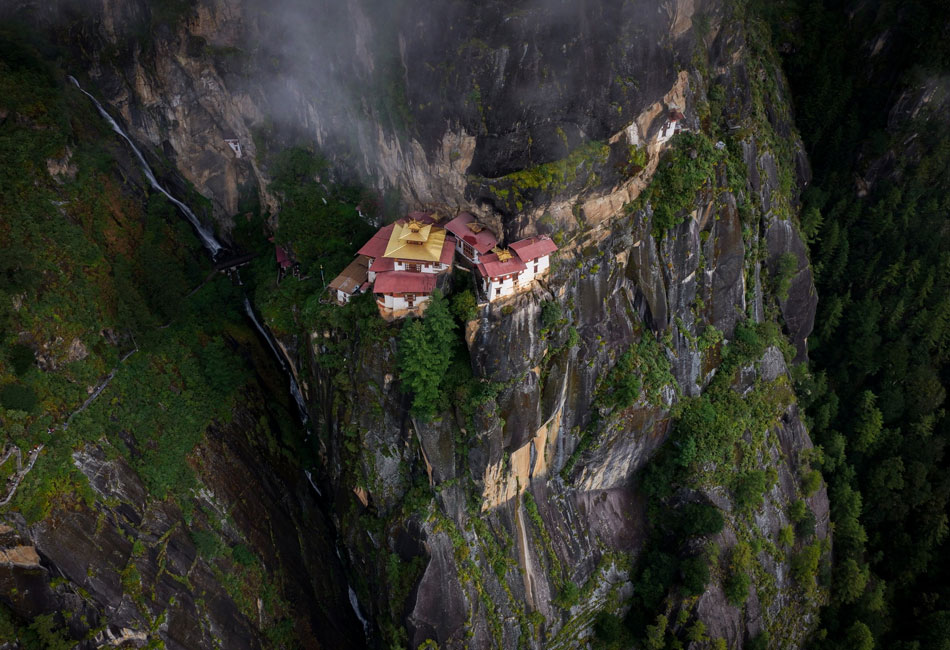
Start the day with a hike to Taktsang Monastery (Tiger’s Nest), which is 900 meters above the Paro Valley. This important site, linked to the 8th-century Guru Rimpoche, offers amazing views. For those who can’t hike, horseback rides are available up to the midway point (Cafeteria).
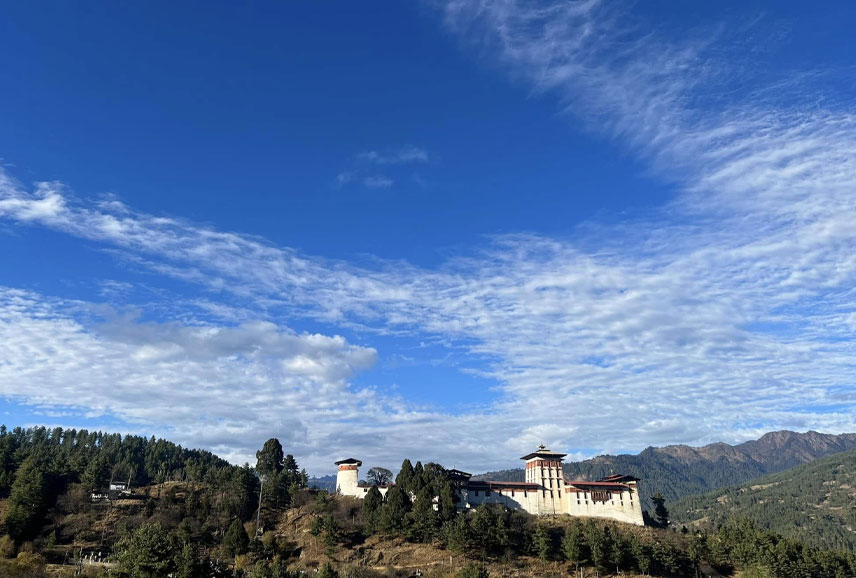
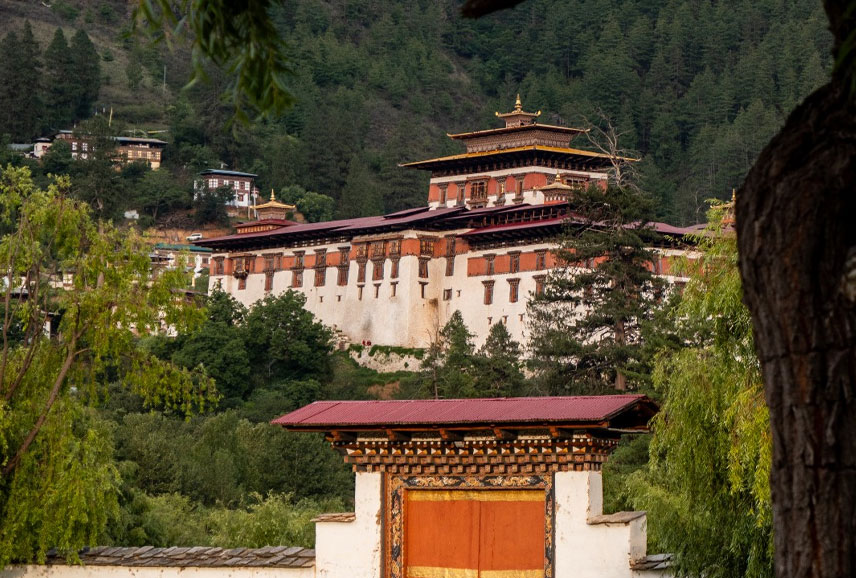
After lunch, visit the rebuilt Drukgyel Dzong, originally built in 1644 to celebrate Bhutan’s victory over Tibetan invaders. On clear days, Mount Jomolhari (7,314m) is visible in the background. Return to Paro and explore other sites in the valley. Overnight in Paro
After breakfast, our representative will transfer you to Paro Airport for your onward journey



Write Your Review